

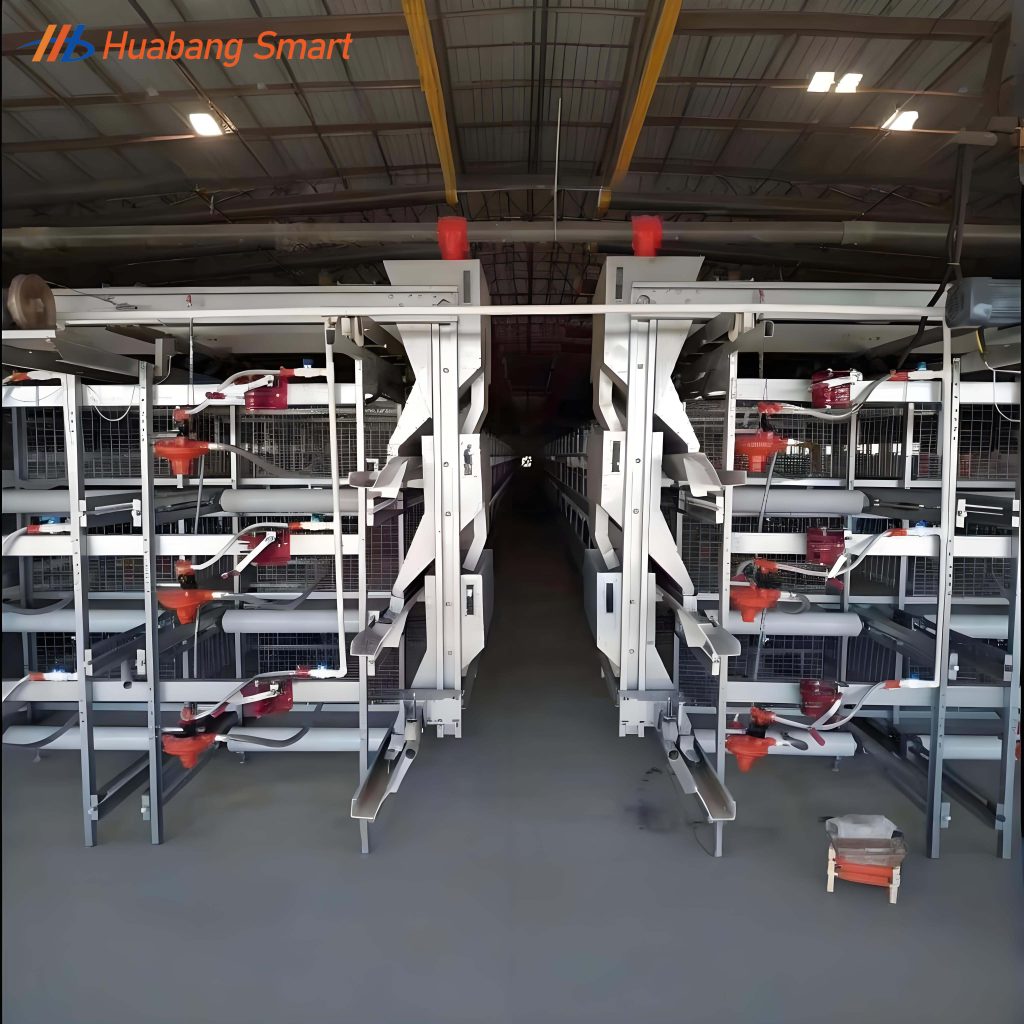
The global poultry industry is undergoing a profound transformation. As the world’s population continues to grow and urbanize, the demand for affordable, high-quality animal protein is reaching unprecedented levels. Poultry meat, known for its efficiency in feed conversion and lower environmental footprint compared to red meat, is at the forefront of this dietary shift. However, meeting this demand requires a move away from traditional, labor-intensive farming methods toward highly intensive, automated systems. The 4-tier H-type broiler chicken cage system stands as a pinnacle of this evolution, offering a strategic solution that balances productivity, bird welfare, and biosecurity.
Maximizing Spatial Efficiency
One of the most immediate benefits of the H-type cage system is its exceptional use of vertical space. Traditional floor-raising systems are limited by the ground area of the poultry house. In contrast, the tiered structure of the H-type system allows for multiple levels of birds to be housed within the same footprint. A 4-tier system effectively quadruples the stocking density of a farm, allowing producers to significantly scale up their operations without the need for additional land acquisition. This intensification is particularly crucial in regions where land prices are high or where agricultural expansion is restricted by environmental regulations. By maximizing the output per square meter, farmers can achieve greater economies of scale, reducing the overhead costs associated with land and infrastructure.
Furthermore, the increased density does not come at the expense of bird health. The design allows for consistent airflow across all tiers, ensuring that even the birds in the middle of the house receive fresh oxygen. This is a common failure in older, less sophisticated vertical systems, but the modern H-type design integrates with powerful ventilation systems to maintain air quality throughout the structure.
Optimizing Feed Conversion Ratio (FCR)
In poultry production, feed represents the largest single operational expense, often accounting for 60-70% of total costs. Therefore, even marginal improvements in the Feed Conversion Ratio (FCR) can lead to substantial financial gains. The 4-tier H-type system is specifically designed to optimize FCR. By housing birds in a controlled, stable environment, the energy that would otherwise be spent on movement, social competition, or thermoregulation is instead directed toward growth. The integration of an automated feeding system further enhances this efficiency. These systems deliver precise amounts of feed directly to each tier, ensuring that every bird has equal access to nutrition. This uniformity in feeding prevents waste and ensures that the entire flock reaches market weight simultaneously, streamlining the processing and distribution phases.
Precision feeding also allows for better nutrient management. Farmers can adjust the feed composition based on the specific growth stage of the birds in each tier, ensuring that no nutrients are wasted and that the birds receive exactly what they need for optimal muscle development. This level of control is impossible in traditional floor systems where dominant birds often consume more than their fair share, leading to uneven growth rates.
Enhancing Biosecurity and Bird Health
Biosecurity is the most critical challenge facing modern poultry farms. The density of intensive farming creates risks for rapid disease transmission, which can be catastrophic for a producer. The H-type cage system addresses this by fundamentally altering the relationship between the birds and their environment. The wire mesh flooring allows manure to fall through immediately onto a conveyor belt system. This separation of birds from their waste is a key factor in preventing the spread of diseases such as coccidiosis and respiratory infections, which are common in floor-raised flocks where litter management is difficult. Furthermore, the automated manure removal systems maintain low ammonia levels within the house, creating a healthier atmosphere that reduces stress on the birds’ respiratory systems. A healthier flock requires fewer antibiotic interventions, aligning with global trends toward antibiotic-free poultry production.
The closed nature of the cage system also provides a physical barrier against external pests and wild birds, which are often the primary vectors for avian influenza and other devastating viruses. By keeping the birds in a secure, elevated environment, farmers can implement much stricter biosecurity protocols, protecting their investment and the broader food supply chain.
Precision Climate Control and Automation
The “H” in H-type refers to the structural design that allows for optimal ventilation and climate control. Modern systems are equipped with sensors and automated fans that maintain temperature and humidity within a very narrow range, regardless of external weather conditions. This precision is vital for broilers, as they are highly sensitive to heat stress and cold shocks, both of which can lead to increased mortality and decreased growth rates. Automation extends beyond feeding and climate; it also includes watering. Automated nipple drinkers provide clean water on demand, further reducing the risk of waterborne pathogens.
Moreover, the integration of data analytics allows farmers to monitor the health of their flock in real-time. Sensors can track water consumption, weight gain, and even the activity levels of the birds. Any deviation from the norm can trigger an alert, allowing the farm manager to investigate and resolve issues before they become widespread problems.
Improving ROI and Sustainable Growth
While the initial investment in a 4-tier H-type system is higher than that of floor-raised setups, the long-term Return on Investment (ROI) is significantly superior. The combination of higher stocking density, improved FCR, lower mortality, and reduced labor costs through automation ensures that the system pays for itself within a few production cycles. Moreover, the environmental impact is reduced through better waste management and more efficient resource use. Manure collected by the belts can be processed into high-quality organic fertilizer, creating an additional revenue stream and promoting a circular economy within the farm.
Sustainability also means social responsibility. By reducing the reliance on manual labor for the most arduous tasks—such as manure removal and hand-feeding—the system improves the quality of life for farm workers. It allows them to focus on high-value activities such as health monitoring and data analysis, making poultry farming a more attractive and technologically advanced profession.
Conclusion
As we look toward the future of global food security, the poultry industry must continue to innovate. The 4-tier H-type broiler cage system represents the synergy of engineering and animal science, providing a robust framework for large-scale, sustainable meat production. By adopting these advanced systems, producers are not just increasing their capacity; they are future-proofing their operations against the challenges of land scarcity, rising feed costs, and stringent biosecurity requirements. The future of poultry is intensive, automated, and vertical—and the H-type system is leading the way. With its ability to deliver high yields while maintaining the highest standards of bird health and environmental stewardship, it is truly the future of global poultry meat production.