

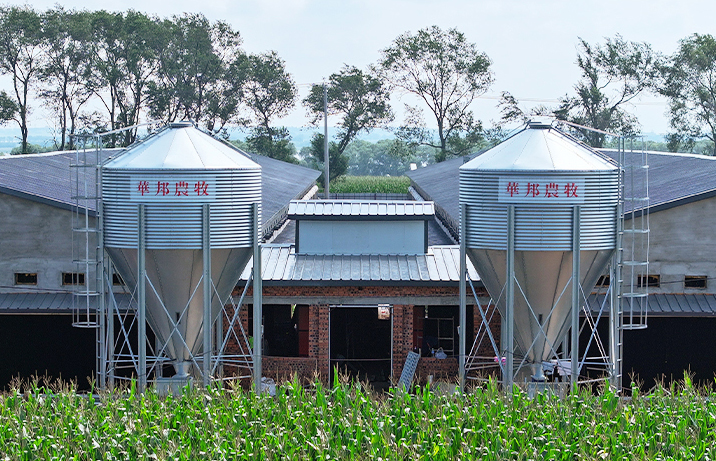
In the rapidly evolving landscape of global poultry production, 2026 stands as a pivotal year for broiler farmers seeking to maximize efficiency and profitability. As land prices rise and labor remains a significant operational challenge, the transition from traditional floor-raising systems to advanced cage systems has become more than a trend—it is an economic necessity. Among the various options available, the 4-Tier H-Type broiler chicken cage has emerged as the gold standard for commercial broiler production. This guide explores the multi-faceted economic benefits of this transition and provides a comprehensive profitability analysis for modern farmers.
Maximizing Land Utilization and Capacity
The primary driver for the adoption of H-Type cage systems is the exponential increase in bird density. Traditional floor raising is limited by the horizontal footprint of the poultry house. In contrast, a 4-Tier H-Type system utilizes vertical space, effectively quadrupling the capacity within the same building footprint. For instance, a standard broiler house that might accommodate 10,000 birds on the floor can easily support 40,000 to 50,000 birds using a multi-tier cage configuration.
This intensification significantly lowers the fixed cost per bird. Land acquisition, building construction, and infrastructure development are amortized over a much larger population, leading to a drastically reduced capital expenditure (CAPEX) per bird produced. In 2026, where efficiency is the differentiator between profit and loss, maximizing every square meter of the farm is paramount.
Optimized Feed Efficiency through Automation
Feed accounts for approximately 60% to 70% of the total production cost in broiler farming. Therefore, even marginal improvements in Feed Conversion Ratio (FCR) can lead to substantial financial gains. The automated feeding system integrated into H-Type cages ensures precise delivery of nutrients, minimizing waste and competition among birds.
In a floor system, feed waste is common due to trampling and contamination. Cage systems eliminate these issues. Furthermore, the limited movement of birds within the cage reduces energy expenditure, allowing more nutrients to be converted into muscle mass. Statistical data from 2025-2026 operations indicates that H-Type cage systems can improve FCR by as much as 5% to 8% compared to floor systems, representing a significant boost to the bottom line.
Reducing Labor Costs and Improving Operational Flow
Labor shortages and rising minimum wages continue to pressure the agricultural sector. The broiler chicken cage systems produced by industry leaders like Huabang Smart are designed for high-level automation. Beyond feeding, these systems automate manure removal, climate control, and even the harvest process.
A 4-Tier H-Type system allows a single operator to manage a population that would previously have required four or five staff members. Automation reduces human error and ensures consistency in environmental conditions, which is critical for bird health. The reduction in recurring labor costs (OPEX) provides a steady return on investment, often allowing the system to pay for itself within a few production cycles.
Enhanced Bio-Security and Reduced Mortality
Bird health is the cornerstone of profitability. The H-Type cage design naturally enhances bio-security by separating the broilers from their waste. Manure belts located beneath each tier remove droppings daily, significantly reducing the concentration of ammonia and the risk of respiratory diseases or coccidiosis.
Furthermore, the controlled environment of a modern cage house reduces exposure to external pathogens and predators. Lower mortality rates mean more birds reach the market weight, directly increasing the total revenue per flock. In a 4-Tier system, the visibility of each bird is also improved, allowing for earlier detection and isolation of any health issues before they spread to the entire population.
The ROI Analysis: 2026 Outlook
When evaluating the transition to a 4-Tier H-Type system, farmers must look beyond the initial purchase price. The Return on Investment (ROI) is driven by:
1. Volume: 4x capacity increases gross revenue.
2. Efficiency: Improved FCR reduces the largest variable cost.
3. Savings: Lower labor costs and reduced medication expenses.
4. Consistency: Reliable growth cycles lead to better market planning.
Projections for 2026 suggest that large-scale operations transitioning to H-Type cages can see a full return on their investment within 2.5 to 4 years, depending on local market conditions. Given the 20+ year lifespan of high-quality galvanized steel equipment from reputable manufacturers, the long-term profitability is exceptional.
Conclusion
The shift toward 4-Tier H-Type broiler cages represents the future of sustainable and profitable poultry farming. By optimizing land use, feed efficiency, and labor through advanced automation, farmers can secure their position in a competitive global market. As we move through 2026, those who embrace these technological advancements will be best positioned to capitalize on the rising demand for high-quality poultry products. Transitioning to a professional broiler chicken cage system is not just an upgrade; it is a strategic investment in the future of your agribusiness.